
Free on-site gate assessment - hinges, posts, and your LiftMaster or Nice gate operator checked before anything is quoted
The assessment is free and the quote is the invoice.
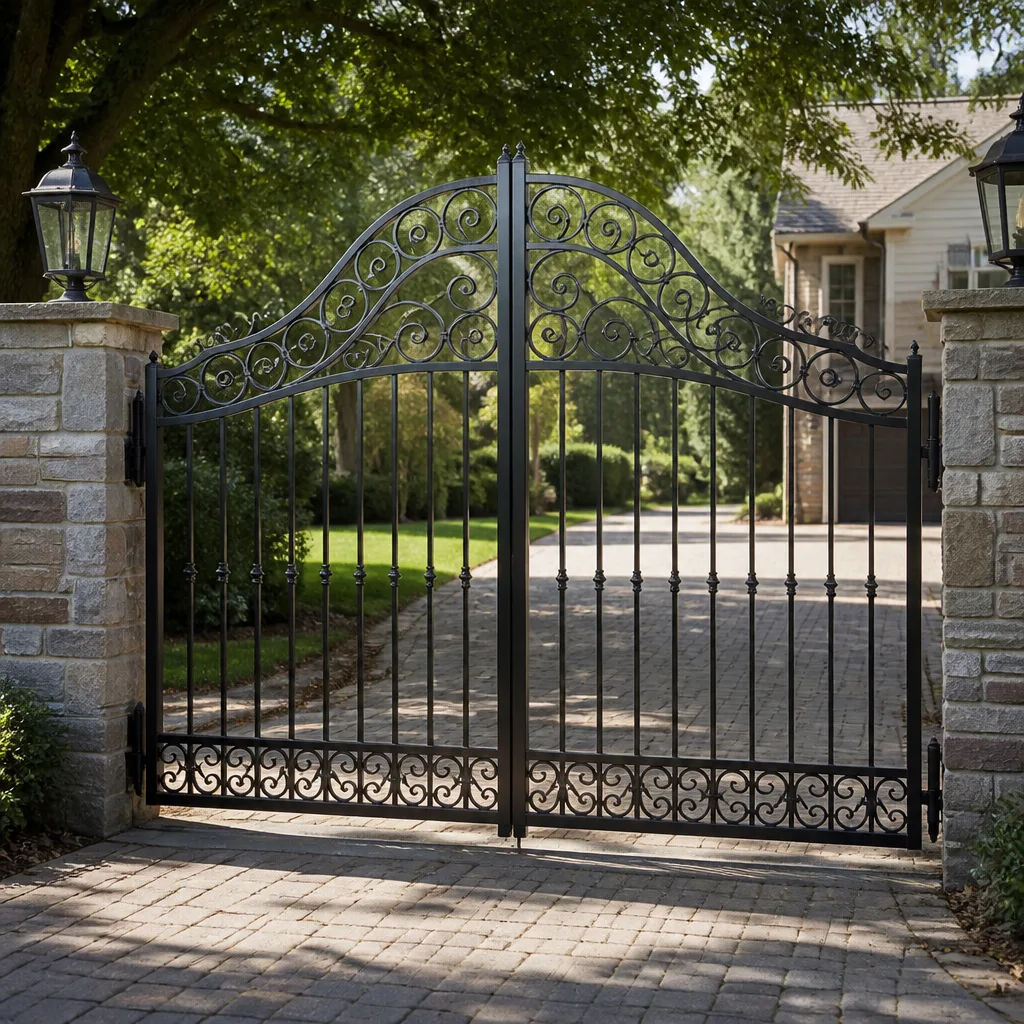
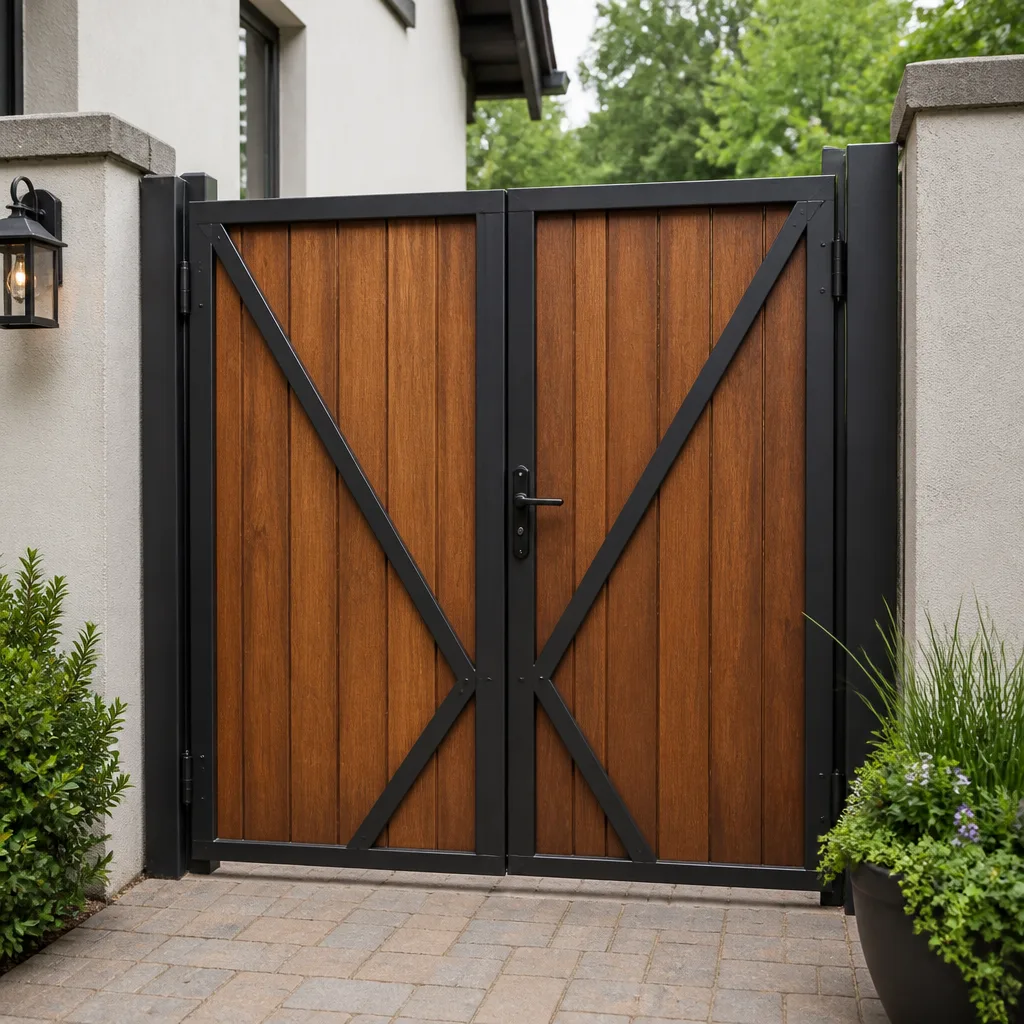
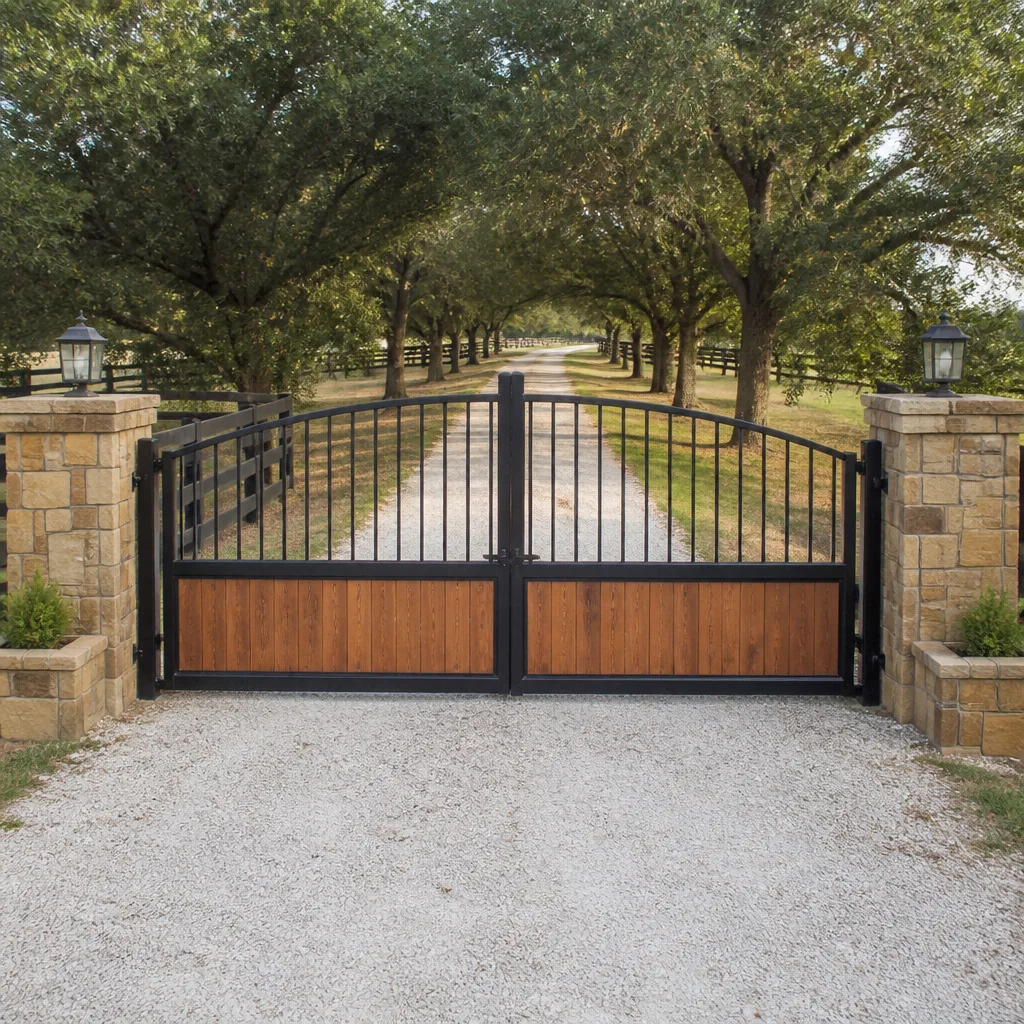
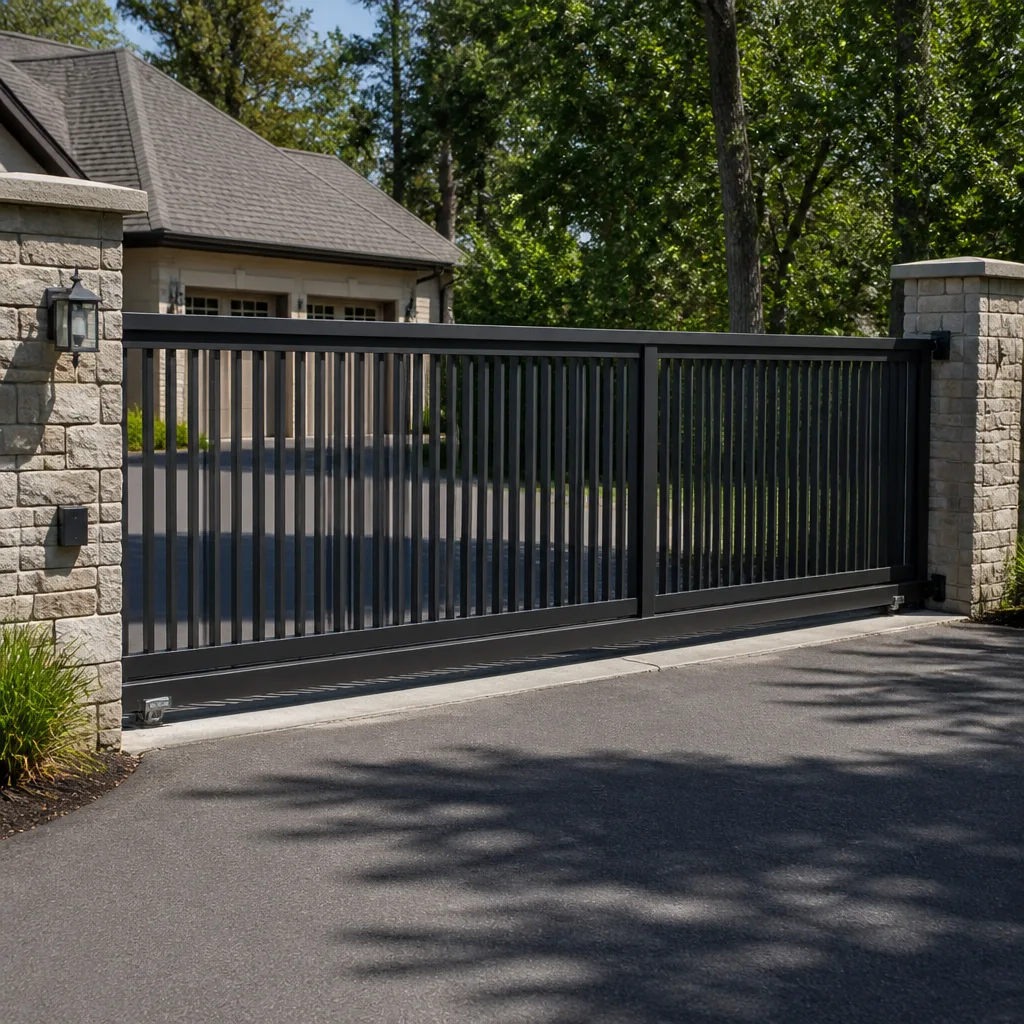
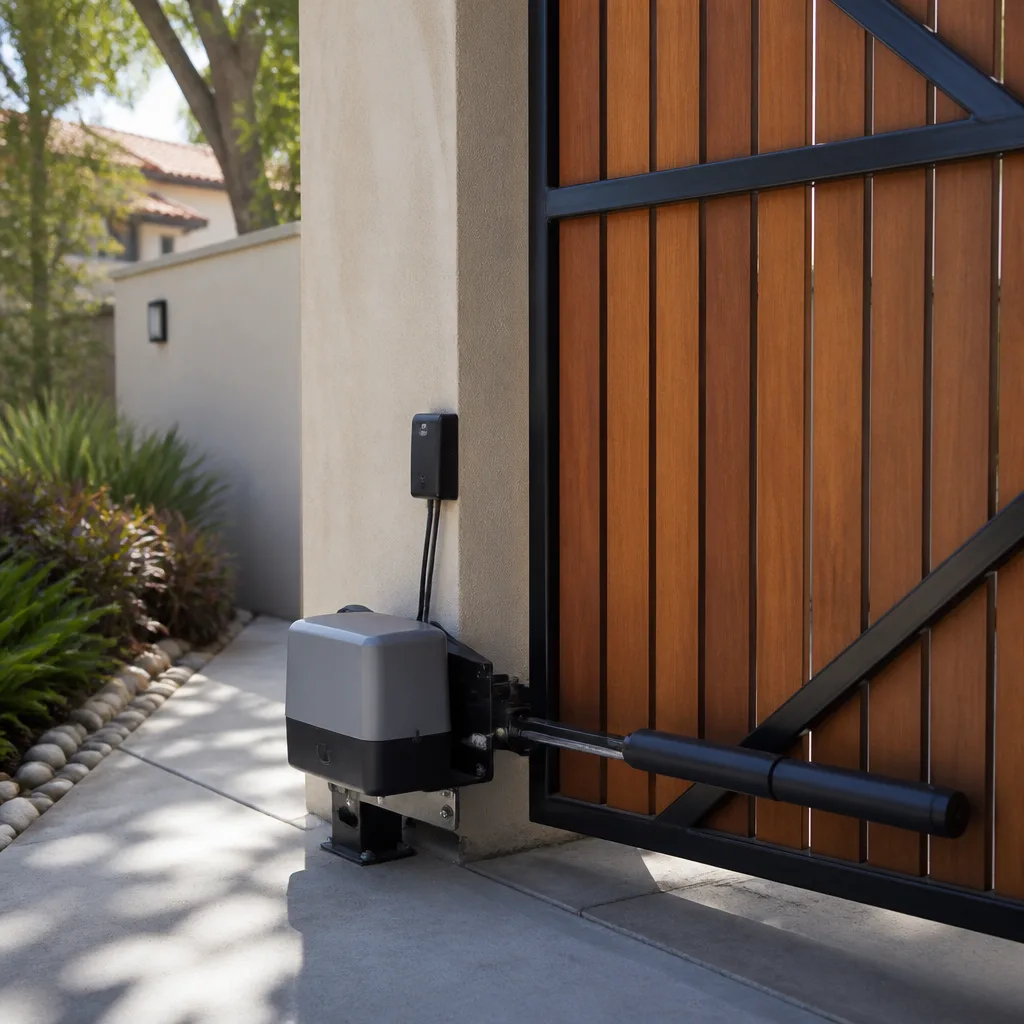
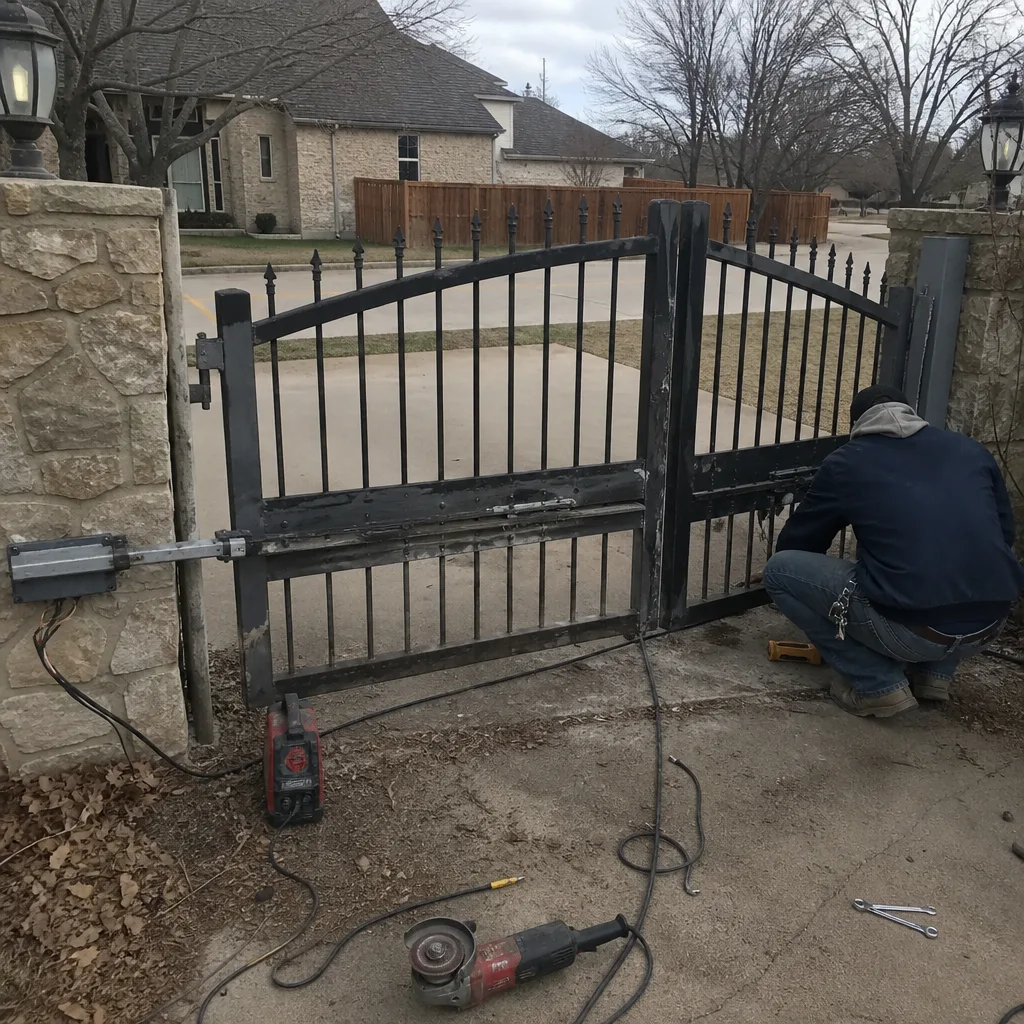 Before
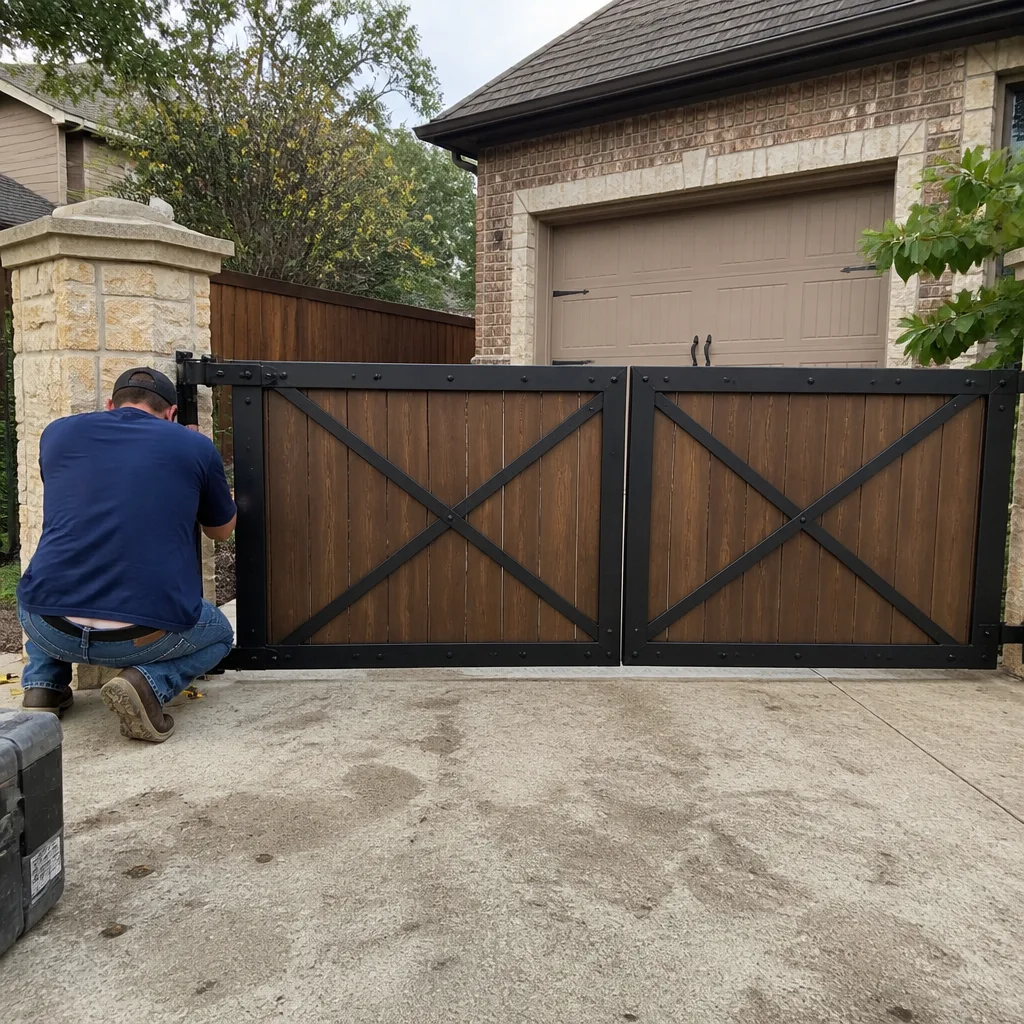 After
After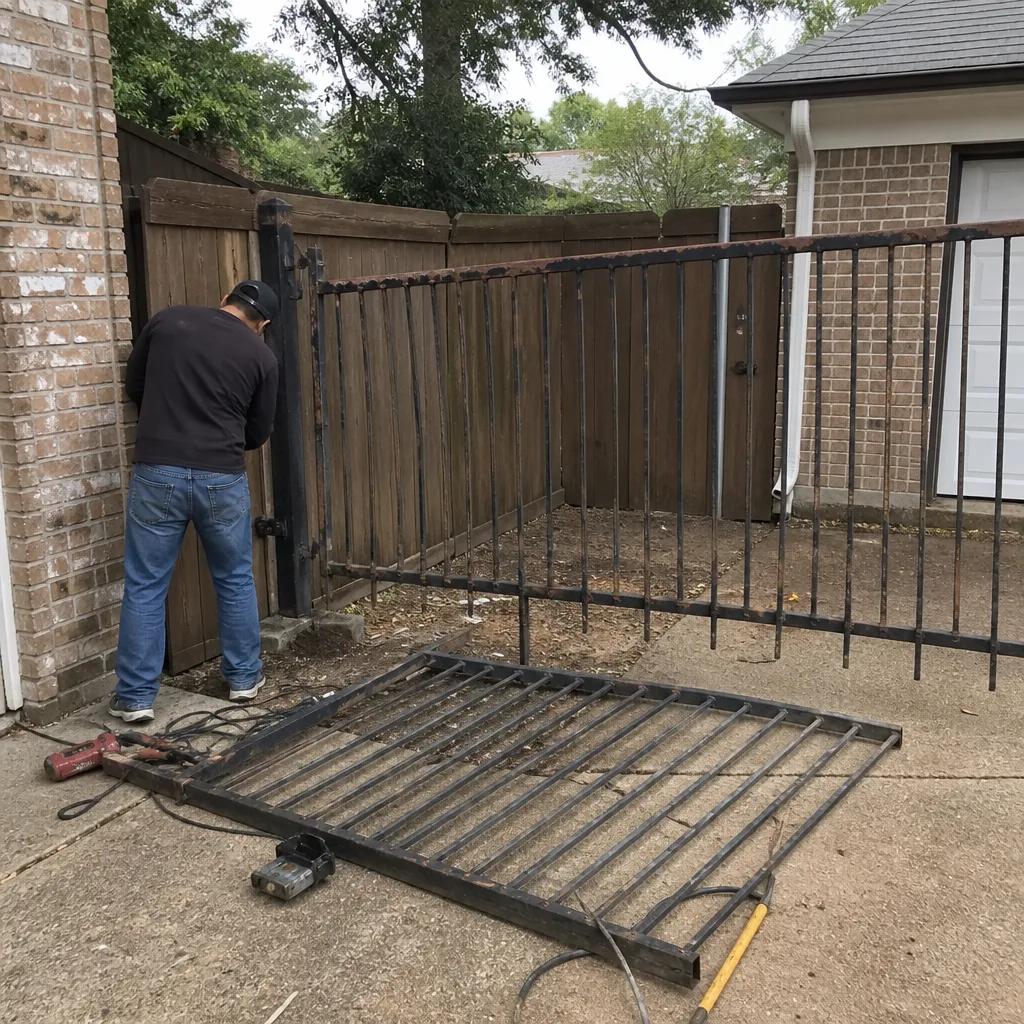 Before
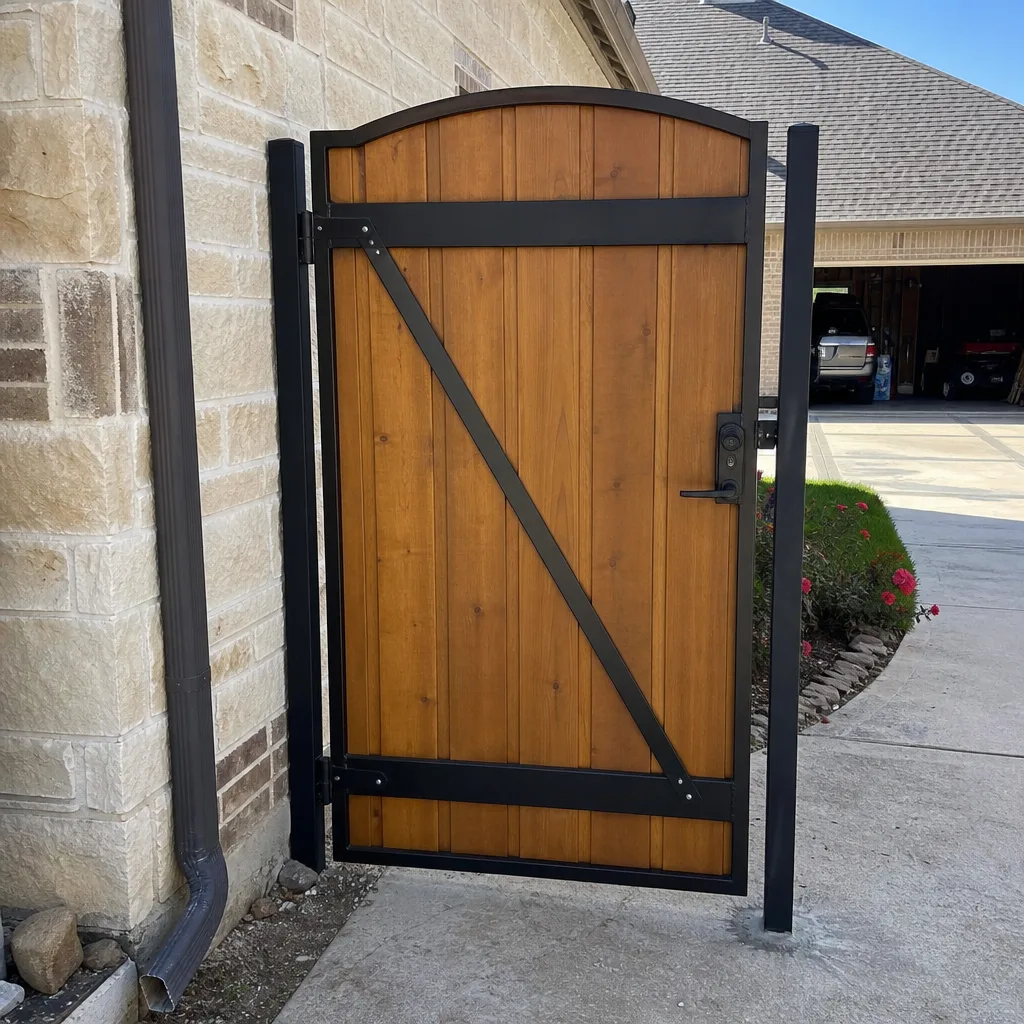 After
After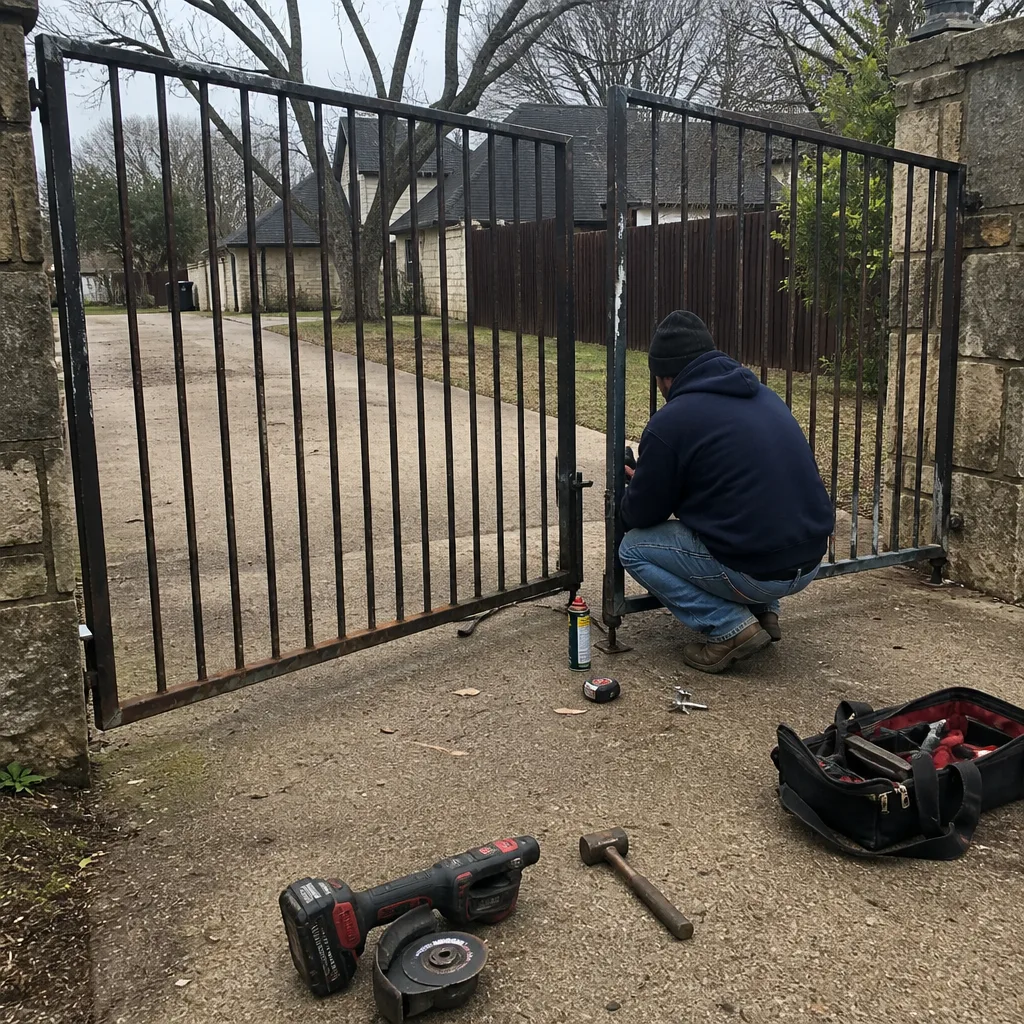 Before
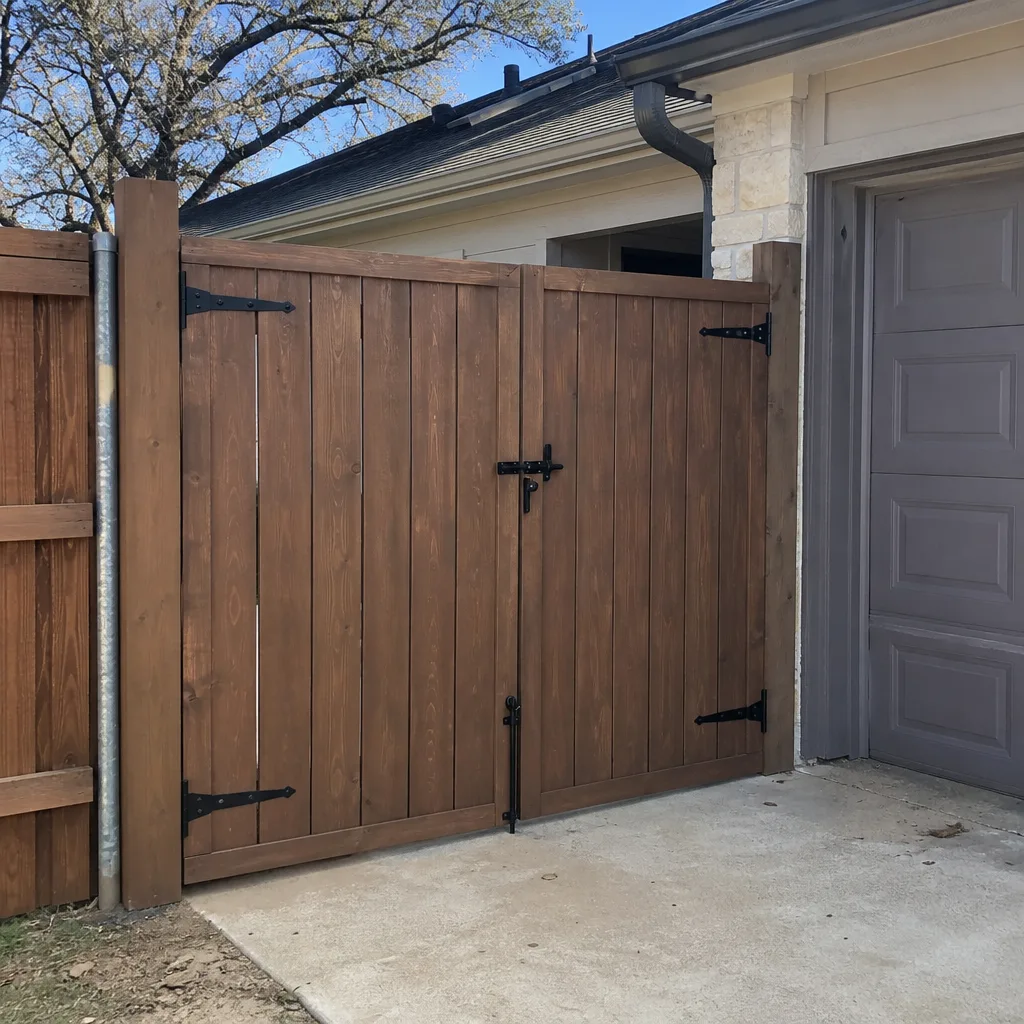 After
AfterFAAC Welding & Fabrication: The Fort Worth Owner’s Guide
FAAC welding and fabrication work in Fort Worth typically runs $240 to $680 installed, depending on whether we’re repairing a cracked hinge bracket, rebuilding a bent gate leaf, or fabricating a new mounting plate from scratch. Most FAAC-specific metalwork is completed the same day we show up, because we carry raw steel stock, a portable welder, and FAAC-compatible mounting hardware on every truck. The usual story we hear is this: the gate starts dragging or binding, the opener strains harder to move it, and within a few weeks you find a cracked weld or a sheared bracket that had been quietly failing for months.
We’re an independent Fort Worth gate company, not affiliated with FAAC, but we’ve been repairing and fabricating for FAAC systems for decades. The metalwork around your FAAC operator is where most long-term failures actually live, not inside the motor itself. When the steel lets go, the opener gets blamed for it.
Key takeaways:
- Installed FAAC fabrication work runs $240 to $680 in Fort Worth, with the price settled before we start.
- We stock FAAC-compatible brackets, hinge plates, and mounting hardware on our service trucks.
- Every weld and fabricated part is covered by our written 90-Day Done Right Promise.
- Same-day completion is standard for most FAAC metalwork repairs.
Which FAAC Models This Applies To
FAAC has been building gate operators since 1965, and over that span they’ve used several distinct mounting patterns and arm geometries. The welding and fabrication work we do covers the full range we see in Fort Worth: the swing-arm 400 series (402, 412, 415), the 750 and 770 series hydraulic operators, the 391 and 770 in-ground units, and the newer 770N and S700H lines. Sliding gate owners with the 740, 844, or 884 series run into their own set of bracket and rail issues, and those are just as common on our schedule.
Here’s the compatibility gotcha we run into constantly: FAAC changed the mounting bracket pattern between the older 750 generation and the current 770 series. The bolt spacing looks close at a glance, but it’s off by a few millimeters, and a homeowner who orders a bracket online ends up drilling oblong holes into their gate post to force it to fit. That weakens the post and turns a $90 bracket into a $500 post replacement. We always match the bracket to the model plate on the operator body, never to a photograph.
The honest truth about parts sourcing: FAAC’s OEM steel components are well-made, but for brackets and hinge plates, a quality fabricated aftermarket part is often the better value in Texas weather. We fabricate our own mounting plates from powder-coated or galvanized steel so they hold up to Fort Worth’s wet springs and brutal August heat without rusting through in five years. We’ll always tell you when OEM is the right call, usually for the arm itself or the threaded adjustment hardware. For the steel around the operator, our own fabrication typically outperforms what came on the gate.
Signs Your FAAC Welding & Fabrication Is Failing
- The gate scrapes or drags at one specific point in its travel. This almost always means a hinge has sagged, a post has drifted out of plumb, or a welded bracket has developed a crack that lets the gate sit fractionally lower than it should. The opener feels it before you do, and the strain shortens the motor’s life.
- The gap between gate and post changes with the seasons. If your gate closes cleanly in January but the latch catches in July, the metal is expanding and the original welds are no longer holding the geometry. Fort Worth’s clay soil also moves posts over time, and a hinge that was welded square in 2005 is frequently not square today.
- The operator’s piston or arm visibly flexes when it pushes. This is the one we look for first. If the FAAC arm flexes more than a few degrees under load, the bracket it’s mounted to has broken loose or the gate leaf itself is flexing at a failed weld. The fix is metalwork, not a new motor.
- You find fresh rust staining running down from a weld joint. Surface rust on a gate is cosmetic. Rust that weeps from inside a joint means the weld has separated and water is working through the crack. That joint is already compromised and will fail under load sooner than you’d like.
- The gate bounced back or reversed for a few days, then started working normally again. That intermittent reverse usually isn’t a sensor problem. A cracked bracket lets the gate flex enough to trigger the obstruction detection, then it settles back and the problem “goes away” until the crack grows. The crack is still there.
Replacement Cost & What’s Included
Here’s what we quote in Fort Worth, and it matches what we actually bill:
- Bracket or hinge plate repair: $240 to $380 installed. Includes on-site welding, grinding and dressing the old weld, and repainting or powder-coating the repaired area.
- Full hinge replacement (both hinges): $330 to $520 installed. Includes cutting out the old hinges, fabricating and welding new ones set to the correct gate geometry, and realigning the gate leaf.
- Custom mounting plate or post repair for a FAAC operator: $280 to $520 installed, depending on the thickness of steel required and the damage to the post.
- Gate leaf rebuild (straightening and re-welding a bent or rusted section): $400 to $680 installed. We cut out the failed section, weld in new steel, and grind it flush so it disappears under paint.
What drives the range is steel thickness, how much of the old weld has to be cut out, and whether we’re working on mild steel, ornamental iron, or aluminum. We tell you the number before we put a glove on, and it does not change unless we find something genuinely unseen and bring you out to look at it first. Every repair is covered by the 90-Day Done Right Promise in writing: if the weld or the part fails within 90 days, we come back and make it right at no charge. We also honor a $50 discount on any repair over $250, and a 5% discount for seniors and veterans, every time.
DIY or Call Us?
We believe in honest advice, so here it is: you can safely check your FAAC gate yourself. Walk its full travel and watch the welds at the hinges and operator bracket while it moves. Look for fresh rust staining, hairline cracks, and any visible flex. Take photos and measurements of the bracket bolt spacing. That information helps us quote accurately over the phone.
What you should not attempt is welding a gate bracket yourself. A gate leaf that weighs 400 to 800 pounds is under constant tension, and a novice weld that looks fine on the surface can shear without warning while someone is walking through the opening. Welding also voids most FAAC warranty coverage if it damages the operator arm or its mounting points. We use certified welders, commercial-grade equipment, and we carry liability insurance specifically for gate work. If you’re in Fort Worth and the weld looks questionable, call us at (817) 562-7979. Victor Salinas or one of our technicians will look at the photos with you on the phone and give you a straight answer before we ever schedule a truck.
FAQs
In Fort Worth’s climate, factory FAAC brackets typically last 8 to 12 years before rust or metal fatigue sets in, assuming the gate was installed correctly and the opener force settings were never cranked up to compensate for a dragging gate. Aftermarket brackets we fabricate from galvanized or powder-coated steel usually outlast the originals by several years, because we build them thicker and coat them for Texas humidity. If your gate is over 10 years old and showing rust at the joints, budget for a bracket replacement within the next two to three years. Call (817) 562-7979 and we’ll give you an honest read on it.
Sometimes, yes, but only when the crack is clean, the surrounding steel is still structurally sound, and the bracket is not rusted through. A simple crack can be ground out, welded, and dressed in under an hour. If the metal is thin, rusted, or the bracket has already been welded once before, replacement is the honest recommendation because a second weld on fatigued steel will not hold. We’ll show you the bracket before we touch it and tell you which path is right. Estimates are free, and the repair price is agreed before any work starts.
Most FAAC bracket, hinge, and plate repairs are completed in one visit, typically 90 minutes to three hours depending on how much old metal has to be cut out and how many weld points are involved. We carry the steel, hardware, welding gear, and paint on the truck, so we do not have to leave and come back. A full gate leaf rebuild may take half a day if we have to cut out rusted sections and weld in new steel. We’ll tell you the time estimate up front when you call (817) 562-7979.
Yes. Victor Salinas made sure every Ironworks Gate Co. truck in Fort Worth carries FAAC-compatible swing and slide gate brackets, hinge plates, mounting studs, and arm hardware, along with raw steel stock for custom fabrication. We also stock parts for LiftMaster, Mighty Mule, and Ghost Controls systems. If your bracket is a specific OEM part we don’t carry, we can usually have it in hand within 24 to 48 hours and complete the repair in one follow-up visit.
Written by Victor Salinas, Owner at Ironworks Gate Co., serving Fort Worth and nearby areas.
If the gate doesn’t open when it should and close when it should, nothing else about it matters much. When your FAAC system is binding, dragging, or showing cracked welds, call us at (817) 562-7979. A live person answers, day or night, and we’ll schedule a free on-site estimate with a written price before any work begins. Done right, and backed in writing.